Shang Han Lun: Pattern Identification and the Six Stages
—An introduction to Zhang Zhongjing's Shang Han Lun, its Six Stages theory, pattern identification, classical formulas, and enduring approach to clinical reasoning.
Shang Han Lun, usually translated as Treatise on Cold Damage Diseases, is one of the greatest classics of traditional Chinese medicine. It was written by Zhang Zhongjing during the Eastern Han Dynasty, nearly 1,800 years ago. Zhang Zhongjing is often called the “Father of Chinese Clinical Medicine” because his work changed the way Chinese doctors understood and treated diseases. You can read the text at the Chinese Text Project.
A practical system born from epidemics
The book was written after many serious epidemics spread across China. Zhang Zhongjing saw that many people, including members of his own family, died from infectious illnesses. Instead of relying only on experience or traditional beliefs, he carefully observed patients, compared different cases, and recorded what treatments worked best. His goal was to build a practical medical system that other doctors could follow.
Pattern identification
One of the most important ideas in Shang Han Lun is that different patients with similar symptoms may need different treatments, while different diseases may sometimes be treated with the same medicine if they share the same underlying pattern. This is known in Chinese medicine as “pattern identification.” Rather than treating a disease by its name alone, the doctor studies the patient’s whole condition, including body temperature, sweating, thirst, sleep, digestion, pulse, and many other signs, before choosing a treatment.
The Six Stages
Another famous contribution of the book is the “Six Stages” theory. Zhang Zhongjing believed that when an illness enters the body, it may move through six different stages. Each stage has its own typical symptoms and requires a different treatment. The six stages are Tai Yang, Yang Ming, Shao Yang, Tai Yin, Shao Yin, and Jue Yin. These stages do not simply describe how serious a disease is. Instead, they help doctors understand where the illness is affecting the body and how the body’s energy is responding. This method allows doctors to adjust treatment as the disease changes.
Formulas chosen for the patient
One reason why Shang Han Lun remains highly respected is its strong focus on clinical practice. The book contains more than one hundred herbal formulas, many of which are still widely used today. Famous prescriptions such as Gui Zhi Tang, Ma Huang Tang, Xiao Chai Hu Tang, and Bai Hu Tang continue to be studied by doctors around the world. These formulas are not meant to be used for everyone with the same illness. Instead, they are carefully selected according to each patient’s individual condition.
Applications beyond cold damage
Although the book mainly discusses illnesses caused by external pathogens, its ideas have been applied to many modern health problems. Today, experienced practitioners of traditional Chinese medicine use the principles of Shang Han Lun to help treat respiratory infections, digestive disorders, autoimmune diseases, chronic fatigue, allergies, skin conditions, and many other illnesses. The key is not the disease itself, but correctly identifying the patient’s pattern.
Observation and flexibility
Perhaps the greatest lesson from Shang Han Lun is the importance of careful observation and logical thinking. Zhang Zhongjing taught that a doctor should not guess or rely on fixed rules. Instead, every treatment should be based on what the patient’s body is showing at that moment. As the patient’s condition changes, the treatment should also change.
Even after nearly two thousand years, Shang Han Lun remains one of the foundations of traditional Chinese medicine. It is studied not only in China but also by practitioners in Japan, Korea, and many other countries. More than an ancient medical book, it is a guide to clinical reasoning that emphasizes observation, flexibility, and treating each patient as a unique individual. These ideas continue to influence traditional Chinese medicine around the world today.
This article shares personal learning and cultural context. It is not medical advice, diagnosis or treatment. Consult a qualified healthcare professional for health concerns.
Related reading
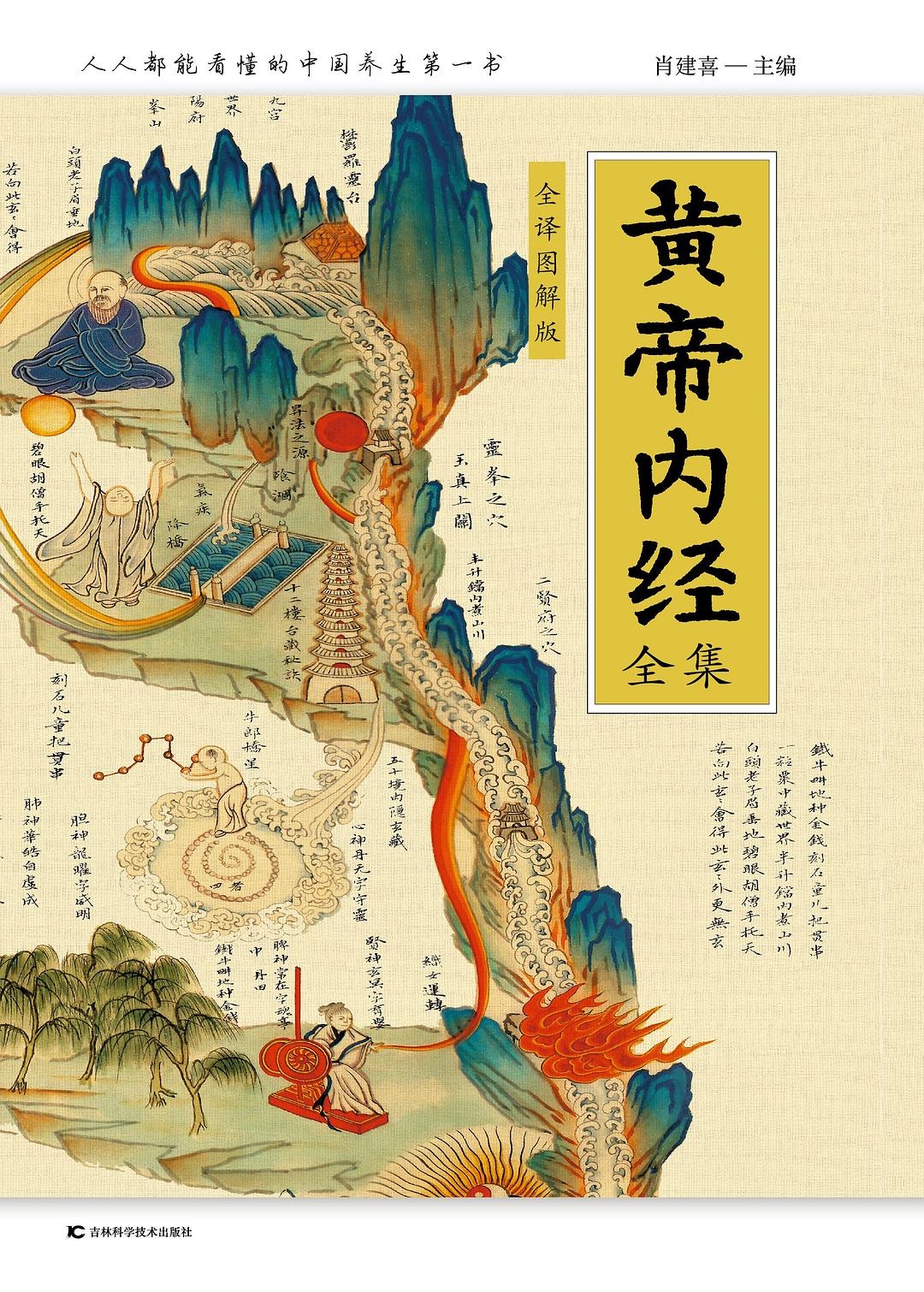
Huangdi Neijing: A Guide to Health, Balance, and Nature
An accessible introduction to the Huangdi Neijing and its enduring ideas about Yin and Yang, Qi, prevention, emotions, daily habits, and harmony with nature.
—
Seeing a Doctor in China as a Foreigner: FAQs and Price Guide
A practical guide to hospital visits in China for international patients, covering appointments, language, insurance, records, emergencies, and reference prices.
—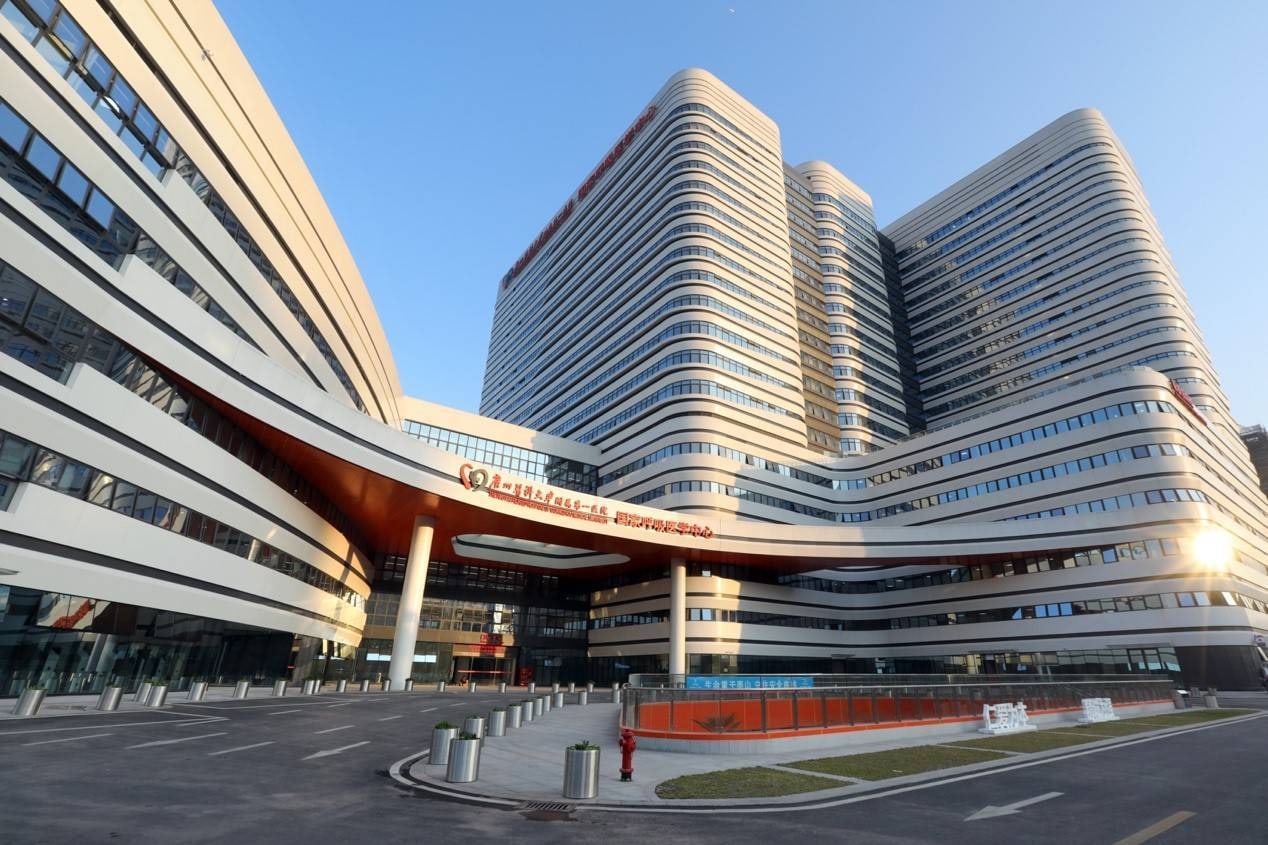
Guangdong Grade A Class III Hospitals: The Complete English Guide
A source-audited guide to Guangdong Grade A Class III hospitals, specialties, appointments, insurance, and medical travel for international patients.
—