
Seeing a Doctor in China as a Foreigner: FAQs and Price Guide
—A practical guide to hospital visits in China for international patients, covering appointments, language, insurance, records, emergencies, and reference prices.
Medical and price disclaimer: This article is general planning information, not medical advice, a diagnosis, a treatment recommendation, or a hospital quotation. Prices, entry rules, insurance arrangements, appointment systems, and available services can change. Confirm important details directly with the hospital, insurer, and the relevant Chinese authority. Call 120 for a medical emergency in China.
Foreign visitors can receive medical care in China, from routine outpatient consultations and health checks to specialist treatment. The difficult part is usually not whether care is available, but choosing the right hospital and department, communicating clearly, arranging payment, and understanding what a quoted price includes.
Quick answers
| Question | Practical answer |
|---|---|
| Can a foreigner visit a Chinese hospital? | Yes. Bring the passport used for registration. The exact booking and identification process varies by hospital. |
| Do hospitals offer English service? | Some large hospitals have international medical departments or foreign-language services. Ordinary outpatient departments may not. Confirm before booking. |
| Is an international department necessary? | No. It can make booking, language support, billing, and coordination easier, but usually costs more than the standard outpatient route. |
| Will overseas insurance work? | Only if the policy covers care in mainland China. Direct billing requires a specific agreement between the insurer and hospital; otherwise, expect to pay first and claim later. |
| Should I book in advance? | Yes, especially for a named specialist, complex disease, surgery, cancer care, or a short trip. Same-day registration may exist but is not guaranteed. |
| What should I bring? | Passport, medical summary, recent reports, imaging files, pathology material when relevant, medication list, allergy list, insurance documents, and a payment method. |
| What is the emergency number? | 120 for medical first aid or an ambulance. Go to a suitable nearby emergency department rather than travelling far to a famous hospital. |
Which type of hospital service should you choose?
Standard public-hospital outpatient care
This is the route commonly used by local patients. It is usually the lower-cost option and may provide access to the same hospital’s specialists and equipment. The trade-off is that registration, payment, navigation, and communication may mainly be in Chinese. Large public hospitals can also be crowded, and a famous doctor’s appointment may be difficult to obtain.
This route works best when you have a Chinese-speaking companion, a competent medical interpreter, or enough preparation to manage the hospital’s app and procedures. Translation software can help with signs and simple questions, but it should not be the only safeguard for consent, surgery, complex diagnoses, medication changes, or discharge instructions.
International medical departments
Many major hospitals in large cities operate an international or special medical department. These departments may offer English-speaking coordinators, appointment-based visits, quieter waiting areas, longer consultations, international payment cards, private rooms, and insurance direct billing. Not every clinician will speak fluent English, and not every hospital offers the same package.
The convenience comes at a premium. Ask whether the registration fee, doctor fee, tests, medicines, interpreter, room, nursing, and service charge are billed separately. An international department is a service pathway, not a guarantee of better clinical results.
Private and international hospitals
Private hospitals may provide a more familiar service environment and easier English communication, but their prices can be substantially higher. The source price guide estimates that private care may cost two to five times the listed public-hospital examination prices. That multiplier is only a rough planning assumption; request an itemized estimate.
Before you travel or book
1. Match the hospital to the medical need
Choose by department and clinical team, not only by the hospital’s overall reputation. A general academic hospital, cancer center, children’s hospital, dental hospital, eye hospital, cardiovascular center, rehabilitation hospital, and traditional Chinese medicine hospital serve different needs. For a complex case, ask whether the hospital offers multidisciplinary review.
2. Contact the hospital directly
Send a short medical summary and ask:
- Does the correct department treat this diagnosis or symptom?
- Can the hospital review records before travel?
- Which campus should the patient visit?
- Is an English-speaking coordinator or medical interpreter available?
- What is the earliest realistic appointment date?
- What deposit or advance payment is required?
- Can the hospital provide a written estimate and explain what it excludes?
Remote second opinions may be possible, but availability and record requirements vary. Clinical trials may accept some foreign participants, yet eligibility depends on the study protocol; never assume that travelling to China guarantees admission or free treatment.
3. Check the correct entry permission
Do not treat a short transit policy as a general medical visa. China’s 240-hour visa-free transit policy applies only to eligible nationalities, designated ports and areas, and travellers continuing to a third country or region with confirmed onward travel. The eligible-country and port lists can change, so check the National Immigration Administration’s current policy and the Chinese embassy or consulate responsible for your location.
Routine checks or consultations may fit within a short visit, but surgery, complications, repeated treatment, and recovery are unpredictable. Plan extra time and ask the hospital what documentation may be available if a longer stay becomes necessary.
4. Confirm insurance before treatment
Ask the insurer for written answers to four questions: Is mainland China covered? Is the chosen hospital in network? Is pre-authorization required? Is direct billing available for the exact department?
Direct billing is not automatic. Beijing’s official medical guide for foreign patients explains that it depends on an agreement between the hospital and insurer. Without that arrangement, the patient may need to pay the full bill and later request reimbursement. Keep official receipts, itemized invoices, prescriptions, reports, and proof of payment.
5. Prepare medical records
Bring both digital and accessible backup copies of:
- a one-page medical history and the question you want answered;
- recent laboratory results and clinic notes;
- original CT, MRI, X-ray, or ultrasound files, preferably in DICOM format;
- pathology reports, slides, or blocks when relevant;
- a list of medicines using generic names, doses, and schedules;
- allergies, previous operations, implanted devices, and major diagnoses;
- vaccination and pediatric records for a child.
An accurate Chinese translation is useful, especially outside international departments. Do not discard the original-language records.
6. Bring medicines carefully
Keep medicines in original labelled packaging and carry the prescription or a doctor’s letter. Rules for controlled drugs, sedatives, strong pain medicines, and other restricted substances may differ from your home country. Confirm uncertain items with the Chinese embassy or customs authority before departure. Never replace a prescribed medicine simply because a local product has a similar-looking name.
What happens at the hospital?
A typical outpatient visit involves identity registration, department registration, consultation, payment for ordered tests, testing, result collection, and a follow-up consultation or prescription. Some hospitals combine steps in an app or mini program; others require separate windows or machines.
Bring the same passport used for the booking. Payment may be possible by RMB cash, international card, UnionPay, WeChat Pay, or Alipay, but acceptance varies by institution and machine. Have more than one payment method and ask about deposits before admission.
For important decisions, request a professional interpreter if the doctor and patient do not share a language. A family member may help with daily communication but can struggle with specialist terminology and informed consent.
Common questions from international patients
Can children and older adults receive care?
Yes. China has specialist children’s hospitals as well as tertiary hospitals treating cardiovascular disease, diabetes, joint disease, cataracts, and other age-related conditions. Confirm whether a family member can stay in the ward and whether the chosen campus has the required pediatric or geriatric specialty. Children need their own valid travel documents and should bring vaccination and medical records.
What about cancer, rare disease, or major surgery?
Large academic and specialist hospitals treat complex disease, but the hospital’s name alone is not enough. Ask about the exact team, pathology review, treatment evidence, expected schedule, total cost, complications, intensive-care availability, and follow-up after returning home. Obtain a second opinion when the decision is irreversible or high risk.
China also runs clinical trials, but participation is never guaranteed. Check the trial registration, ethics approval, eligibility criteria, potential costs, alternatives, and post-trial care with the hospital’s official research team rather than a broker.
Is traditional Chinese medicine available?
Yes. Hospitals may offer acupuncture, herbal medicine, moxibustion, cupping, tuina, rehabilitation, or integrated Chinese and Western medicine. Evidence and risk differ by condition and treatment. Tell every clinician about all herbs, supplements, anticoagulants, cancer medicines, and planned surgery because interactions and bleeding risks matter.
What about dental treatment, fertility care, or cosmetic surgery?
These services are widely available, but rules, qualifications, materials, and price packages vary. Fertility services may have legal and documentation restrictions. For dental implants or cosmetic surgery, verify the hospital or clinic license, the treating professional’s credentials, the exact implant or material, anesthesia arrangements, complication management, and the follow-up plan. A low headline price should not override safety checks.
Can treatment continue after returning home?
Usually, but plan the handover before discharge. Request an English medical summary if available, the diagnosis and procedure names, pathology and imaging copies, itemized medicines with generic names, wound-care instructions, warning signs, and a clear follow-up schedule. Ask how the Chinese team can be contacted and share the plan with your home doctor.
Reference prices for common examinations
The following ranges summarize the source site’s public-hospital reference table for Beijing, Shanghai, and Guangzhou. The page is branded as a 2026 guide, but it states that its underlying price update is December 2024. Treat the figures as orientation, not current guaranteed prices. The US-dollar approximations use the source page’s planning rate of RMB 7.3 per US dollar.
Imaging
| Examination | Beijing | Shanghai | Guangzhou |
|---|---|---|---|
| CT, one body part | RMB 280–350 ($38–48) | RMB 300–380 ($41–52) | RMB 260–320 ($36–44) |
| Contrast-enhanced CT | RMB 450–550 ($62–75) | RMB 480–600 ($66–82) | RMB 420–520 ($58–71) |
| MRI, 1.5T or above, one part | RMB 680–800 ($93–110) | RMB 720–850 ($99–116) | RMB 628 (about $86) |
| Contrast-enhanced MRI | RMB 900–1,100 ($123–150) | RMB 950–1,200 ($130–164) | RMB 850–1,000 ($116–137) |
| Whole-body PET/CT | RMB 6,500–7,500 ($890–1,027) | RMB 7,000–8,000 ($959–1,096) | RMB 5,599 (about $767) |
| X-ray | RMB 60–100 ($8–14) | RMB 70–120 ($10–16) | RMB 50–90 ($7–12) |
| B-mode ultrasound | RMB 80–150 ($11–21) | RMB 100–180 ($14–25) | RMB 70–140 ($10–19) |
| Color Doppler ultrasound | RMB 150–250 ($21–34) | RMB 180–300 ($25–41) | RMB 130–220 ($18–30) |
Laboratory tests
| Test | Beijing | Shanghai | Guangzhou |
|---|---|---|---|
| Complete blood count | RMB 25–35 ($3–5) | RMB 30–40 ($4–5) | RMB 20–30 ($3–4) |
| Liver function panel | RMB 80–120 ($11–16) | RMB 100–150 ($14–21) | RMB 70–110 ($10–15) |
| Kidney function panel | RMB 60–90 ($8–12) | RMB 70–100 ($10–14) | RMB 50–80 ($7–11) |
| Blood glucose | RMB 8–15 ($1–2) | RMB 10–18 ($1–2) | RMB 6–12 ($1–2) |
| HbA1c | RMB 30 (about $4) | RMB 35–45 ($5–6) | RMB 25–35 ($3–5) |
| Lipid panel | RMB 50–80 ($7–11) | RMB 60–90 ($8–12) | RMB 45–70 ($6–10) |
| Thyroid function | RMB 150–250 ($21–34) | RMB 180–280 ($25–38) | RMB 130–220 ($18–30) |
| Tumour markers, CEA and AFP | RMB 80–150 ($11–21) | RMB 100–180 ($14–25) | RMB 70–130 ($10–18) |
| Urinalysis | RMB 15–25 ($2–3) | RMB 18–30 ($2–4) | RMB 12–20 ($2–3) |
Cardiac examinations
| Examination | Beijing | Shanghai | Guangzhou |
|---|---|---|---|
| ECG | RMB 20–40 ($3–5) | RMB 25–50 ($3–7) | RMB 18–35 ($2–5) |
| 24-hour Holter monitor | RMB 180–280 ($25–38) | RMB 200–320 ($27–44) | RMB 160–250 ($22–34) |
| Echocardiogram | RMB 200–350 ($27–48) | RMB 250–400 ($34–55) | RMB 180–300 ($25–41) |
| Cardiac MRI | RMB 1,200–1,800 ($164–247) | RMB 1,400–2,000 ($192–274) | RMB 1,100–1,600 ($151–219) |
| Coronary CT angiography | RMB 800–1,200 ($110–164) | RMB 900–1,400 ($123–192) | RMB 750–1,100 ($103–151) |
Endoscopy
| Examination | Beijing | Shanghai | Guangzhou |
|---|---|---|---|
| Gastroscopy | RMB 250–400 ($34–55) | RMB 300–500 ($41–68) | RMB 220–380 ($30–52) |
| Colonoscopy | RMB 350–550 ($48–75) | RMB 400–650 ($55–89) | RMB 320–500 ($44–68) |
| Gastroscopy with anesthesia | RMB 600–900 ($82–123) | RMB 700–1,100 ($96–151) | RMB 550–850 ($75–116) |
| Colonoscopy with anesthesia | RMB 750–1,100 ($103–151) | RMB 850–1,300 ($116–178) | RMB 680–1,000 ($93–137) |
An endoscopy bill can also include consultation, pre-anesthesia assessment, pathology, biopsy, medicine, disposables, or treatment of a lesion. Ask whether these are included.
Broader planning estimates—not regulated quotes
The FAQ page also gives broad US-dollar examples for medical travel. These are much less precise than the examination table and should be used only for early budgeting:
| Service | Broad estimate stated by the source |
|---|---|
| Outpatient visit | $20–80 |
| Hospital room or inpatient stay | $100–300 per day |
| Comprehensive health check | $200–500 |
| Medical interpreter or local guide | $50–100 per day |
| Dental implant | $800–1,500 |
| Dental crown | $150–400 |
| Root canal | $100–300 |
| Teeth whitening | $100–200 |
| IVF cycle | $3,000–8,000, subject to legal and clinical eligibility |
| Coronary bypass surgery | $15,000–25,000 |
These figures do not define the final bill. Major treatment may involve the surgeon, anesthesia, operating room, intensive care, implants, medicines, blood products, pathology, rehabilitation, complications, and a longer stay. Dental and fertility packages may exclude imaging, laboratory work, medicines, anesthesia, storage, or repeated cycles.
Why the final bill can be very different
The main cost drivers are:
- standard outpatient, international department, VIP service, or private hospital;
- city, hospital level, department, and doctor’s registration fee;
- body part, contrast agent, scanner specification, or anesthesia;
- imported versus domestic medicine, device, or implant;
- shared ward, private room, nursing level, and length of stay;
- pathology, biopsy, additional testing, rehabilitation, and follow-up;
- complications or a diagnosis that changes after examination;
- insurance exclusions, deductibles, and lack of direct billing.
Before paying a large deposit, request an itemized written estimate, its validity period, the refund procedure, and a list of likely exclusions. For elective treatment, compare the estimate with at least one alternative and do not transfer money to an unofficial broker or personal account.
A practical final checklist
Before leaving home:
- confirm the correct hospital, campus, department, and appointment;
- verify passport and entry requirements using official sources;
- obtain written insurance and direct-billing confirmation;
- prepare medical records, images, medicine and allergy lists;
- arrange an interpreter for complex discussions if needed;
- request a preliminary itemized estimate and bring backup payment;
- book accommodation near the treating campus and allow buffer days;
- save the hospital address in Chinese and the emergency number 120.
Before leaving the hospital:
- collect official receipts and an itemized bill;
- obtain reports, imaging, pathology, prescriptions, and discharge notes;
- ask for generic medicine names and clear warning signs;
- confirm the next appointment and how remote follow-up works;
- keep copies for both the insurer and the home-country doctor.
Sources and update note
Immigration information was checked against the National Immigration Administration. Hospital-process, payment, and direct-billing details were cross-checked against the Beijing municipal guide for foreign patients, while the emergency number was checked against the Chinese government’s guide to working and living in China.
This article shares personal learning and cultural context. It is not medical advice, diagnosis or treatment. Consult a qualified healthcare professional for health concerns.
Related reading
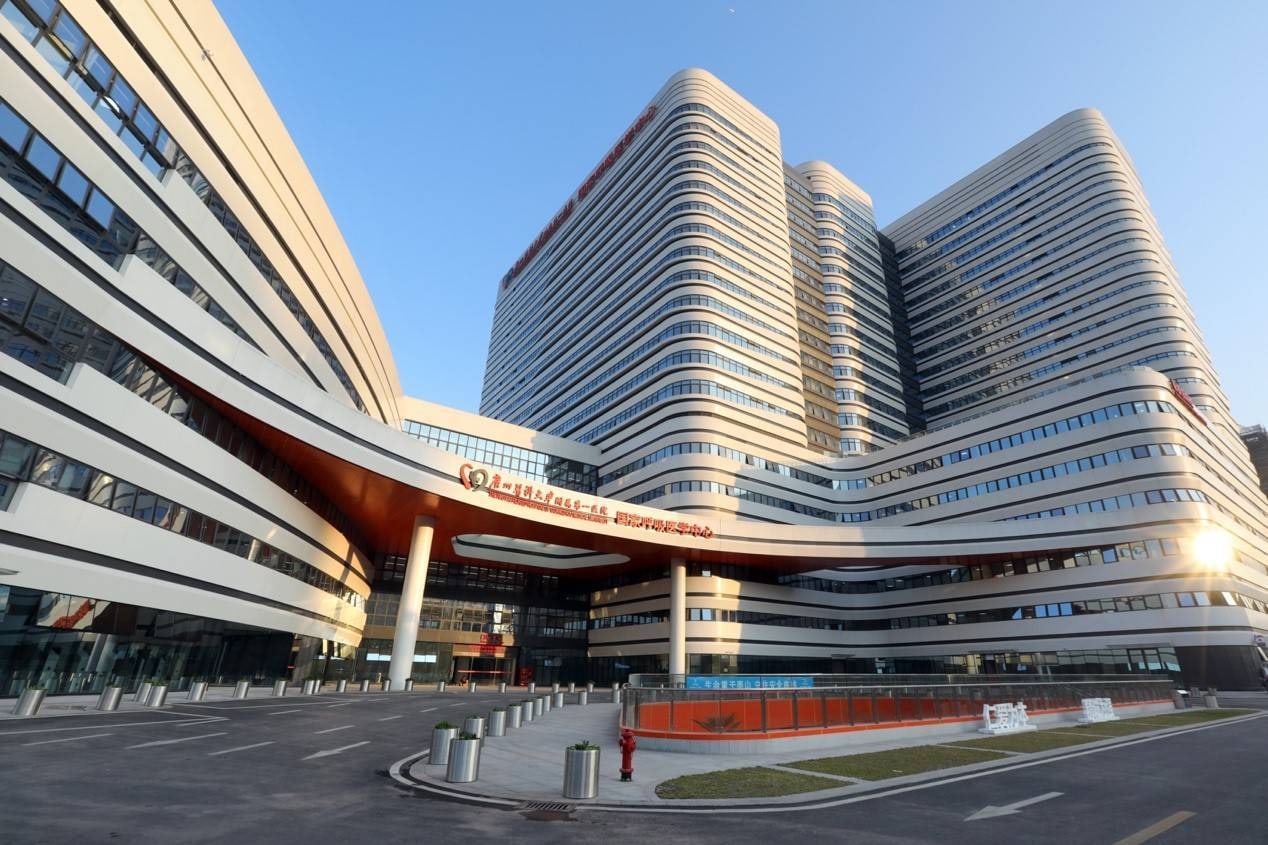
Guangdong Grade A Class III Hospitals: The Complete English Guide
A source-audited guide to Guangdong Grade A Class III hospitals, specialties, appointments, insurance, and medical travel for international patients.
—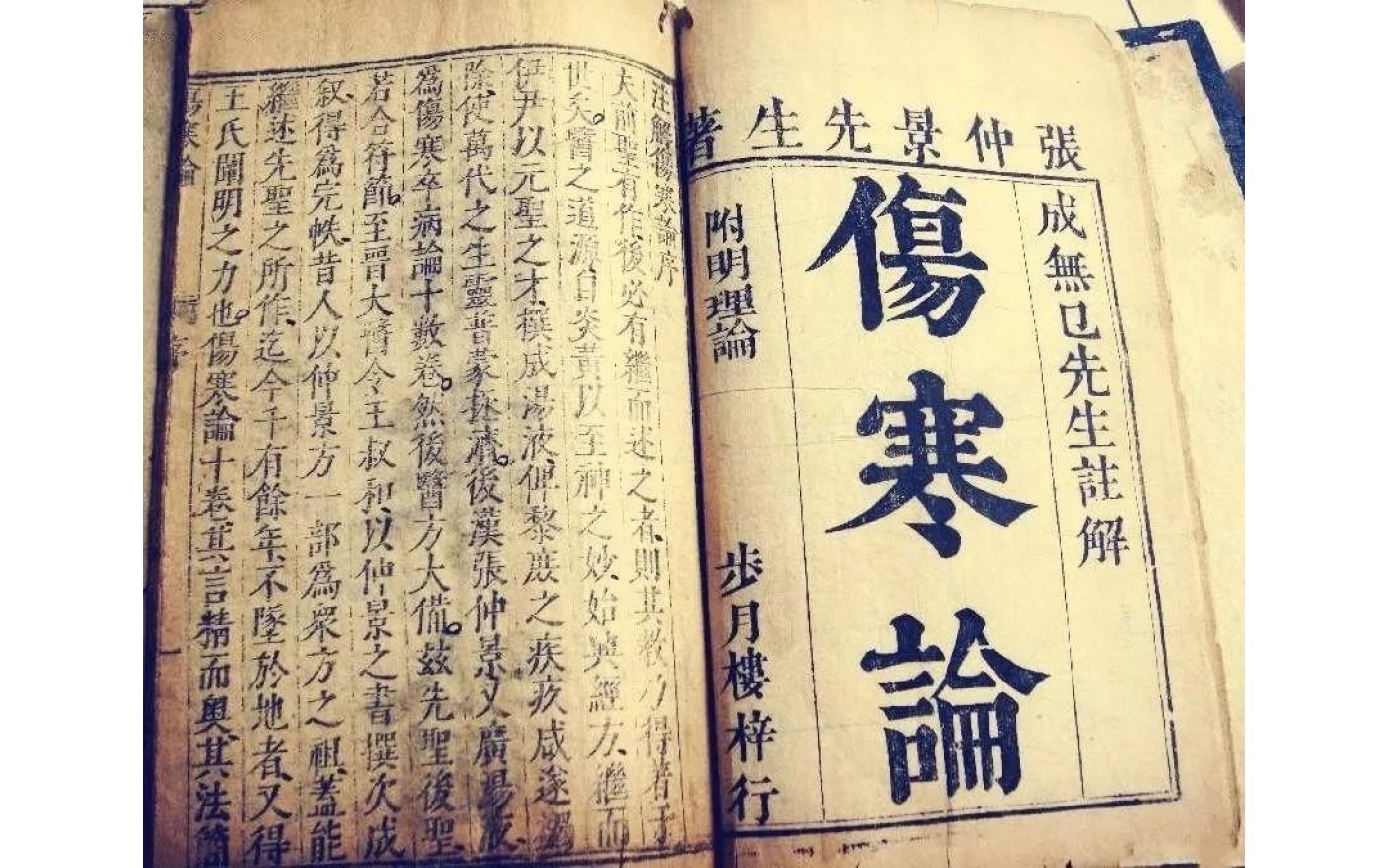
Shang Han Lun: Pattern Identification and the Six Stages
An introduction to Zhang Zhongjing's Shang Han Lun, its Six Stages theory, pattern identification, classical formulas, and enduring approach to clinical reasoning.
—
Huangdi Neijing: A Guide to Health, Balance, and Nature
An accessible introduction to the Huangdi Neijing and its enduring ideas about Yin and Yang, Qi, prevention, emotions, daily habits, and harmony with nature.
—