Huangdi Neijing: A Guide to Health, Balance, and Nature
—An accessible introduction to the Huangdi Neijing and its enduring ideas about Yin and Yang, Qi, prevention, emotions, daily habits, and harmony with nature.
The Huangdi Neijing, usually translated as The Yellow Emperor’s Classic of Internal Medicine, is one of the most important books in traditional Chinese medicine. You can read the text at the Chinese Text Project. It was written more than two thousand years ago and has strongly influenced Chinese medical thinking ever since. It is not simply a book about herbs or treatments. It is more like a complete guide to understanding the human body, health, disease, nature, and daily life.
The book is written mainly as a series of conversations between the Yellow Emperor and his doctors. Through their questions and answers, it explains how the body works and why people become sick.
The human body and nature
One of its main ideas is that the human body is not separate from nature. Changes in weather, seasons, temperature, food, sleep, emotions, and lifestyle can all affect health. For example, the book believes that people should adjust their habits according to the seasons. In winter, people should rest more and protect their energy. In summer, they can be more active.
Yin and Yang
Another key idea is the balance of Yin and Yang. Yin and Yang are two opposite but connected forces. Yin is linked with rest, cold, darkness, and inward movement. Yang is linked with activity, warmth, light, and outward movement. Good health depends on keeping these two forces in balance. When one becomes too strong or too weak, illness may appear.
Qi and circulation
The book also explains the idea of Qi. Qi can be understood as the body’s vital energy or functional power. It moves through a network of channels called meridians. Blood and body fluids also move through the body. When Qi and blood flow smoothly, the body works well. When the flow is blocked, weak, or unbalanced, pain and disease may develop.
Emotions and physical health
The Huangdi Neijing also connects emotions with physical health. Anger, sadness, fear, worry, and excessive excitement may affect different organs if they are too strong or last too long. This does not mean that emotions are bad. It means that emotional balance is important for the body.
Prevention before treatment
Prevention is another major principle. The book says that a good doctor should help people stay healthy before serious disease begins. Healthy eating, regular sleep, suitable exercise, emotional control, and living in harmony with nature are all considered important.
Although some ideas in the Huangdi Neijing are very different from modern Western medicine, the book still offers a valuable way of looking at health. Its main message is simple: the body is a whole system, and good health depends on balance, smooth circulation, proper habits, and harmony with the natural world.
This article shares personal learning and cultural context. It is not medical advice, diagnosis or treatment. Consult a qualified healthcare professional for health concerns.
Related reading
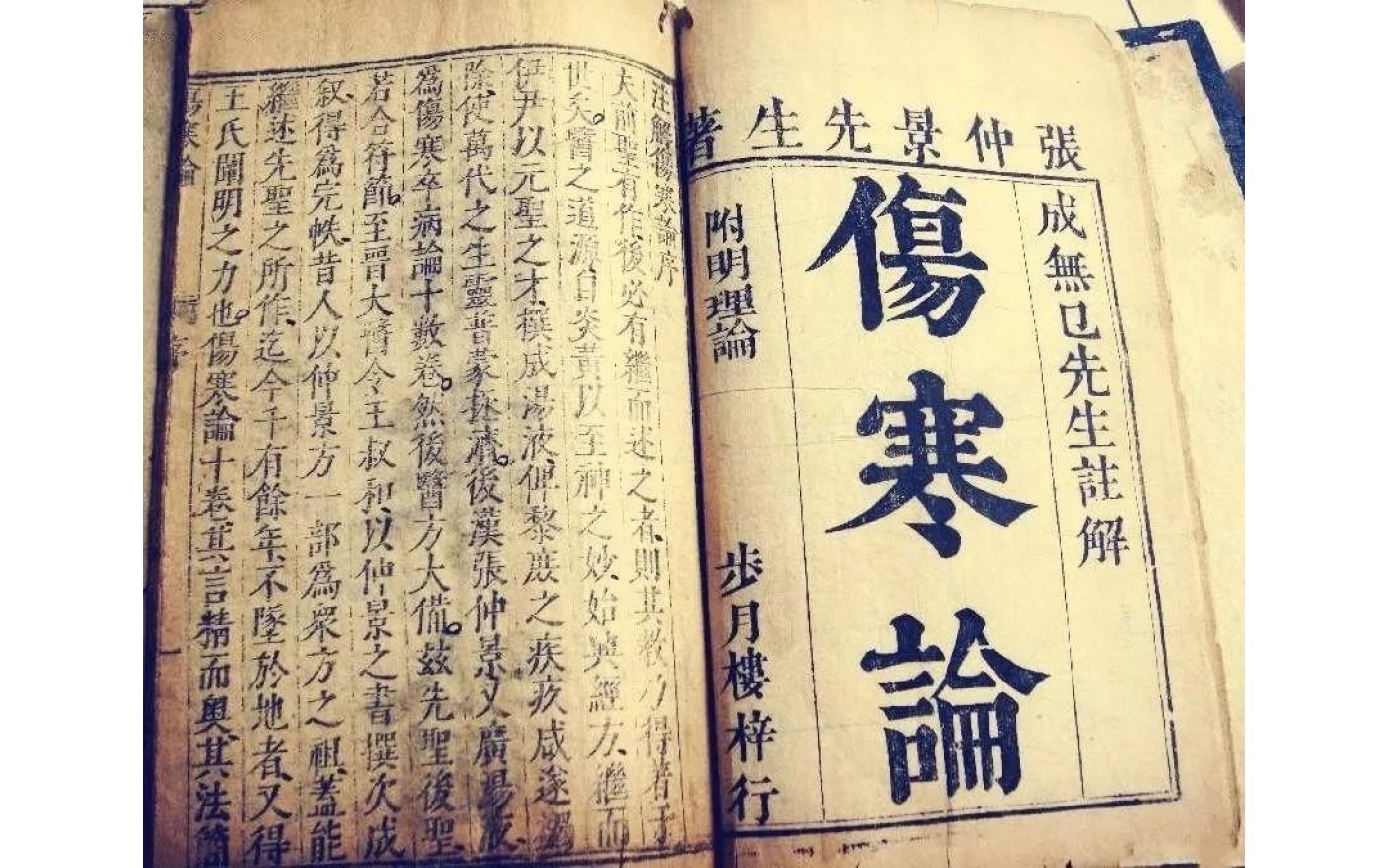
Shang Han Lun: Pattern Identification and the Six Stages
An introduction to Zhang Zhongjing's Shang Han Lun, its Six Stages theory, pattern identification, classical formulas, and enduring approach to clinical reasoning.
—
Seeing a Doctor in China as a Foreigner: FAQs and Price Guide
A practical guide to hospital visits in China for international patients, covering appointments, language, insurance, records, emergencies, and reference prices.
—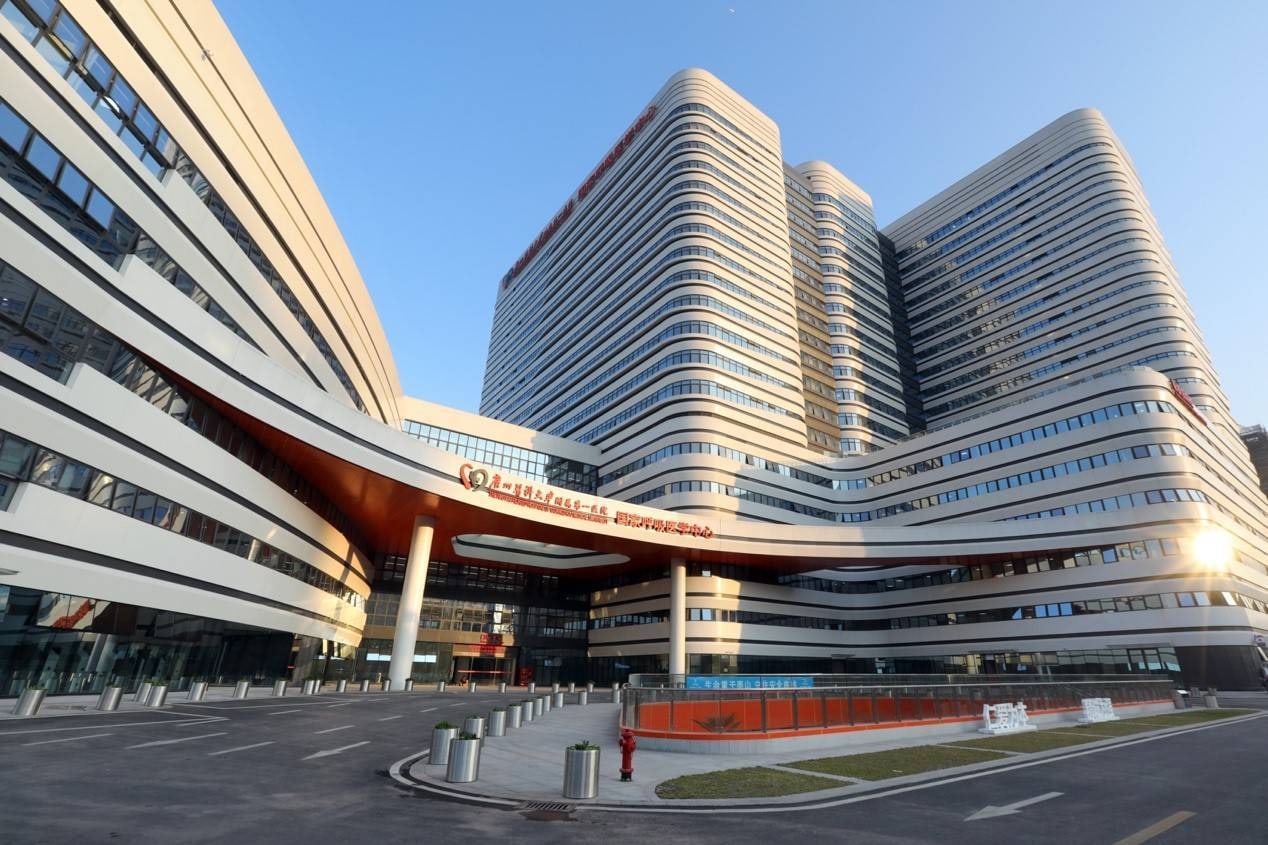
Guangdong Grade A Class III Hospitals: The Complete English Guide
A source-audited guide to Guangdong Grade A Class III hospitals, specialties, appointments, insurance, and medical travel for international patients.
—